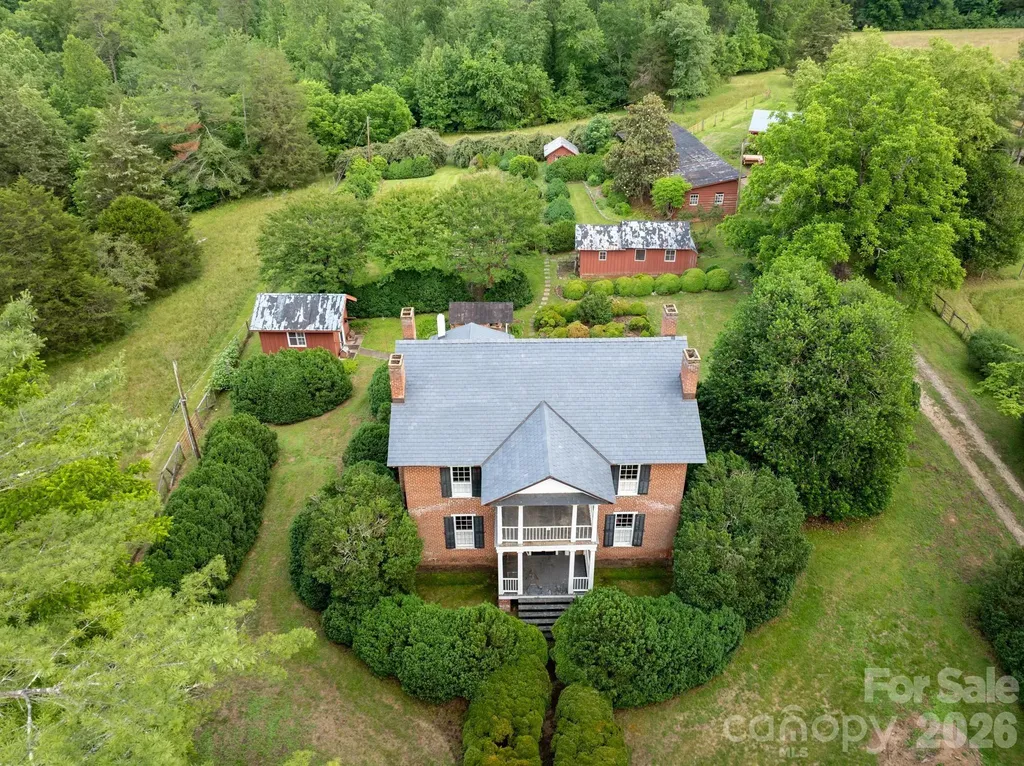
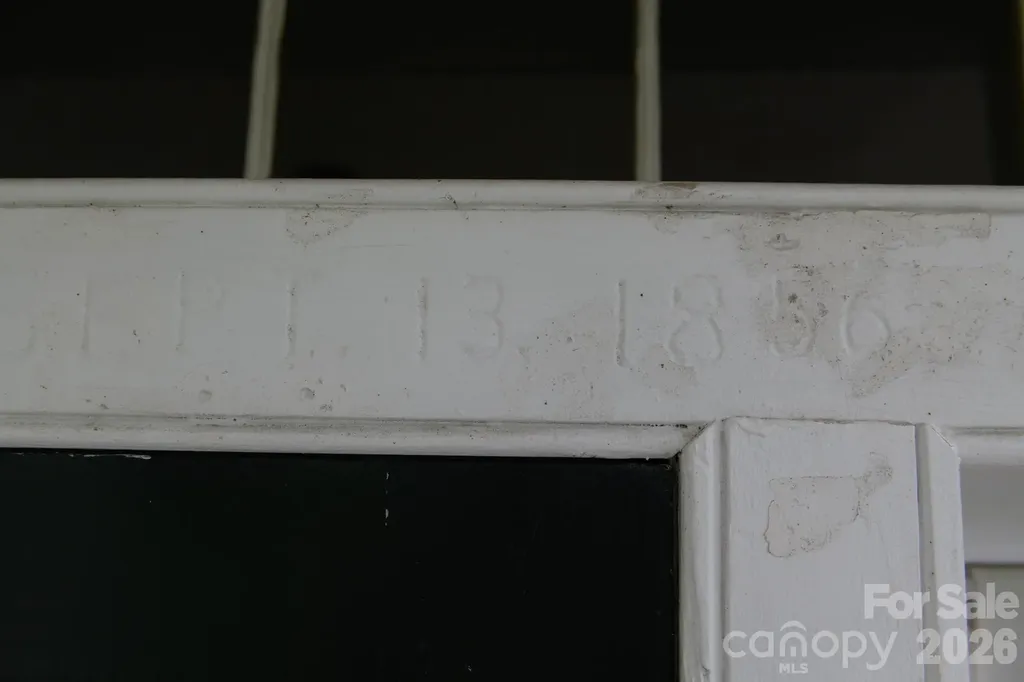
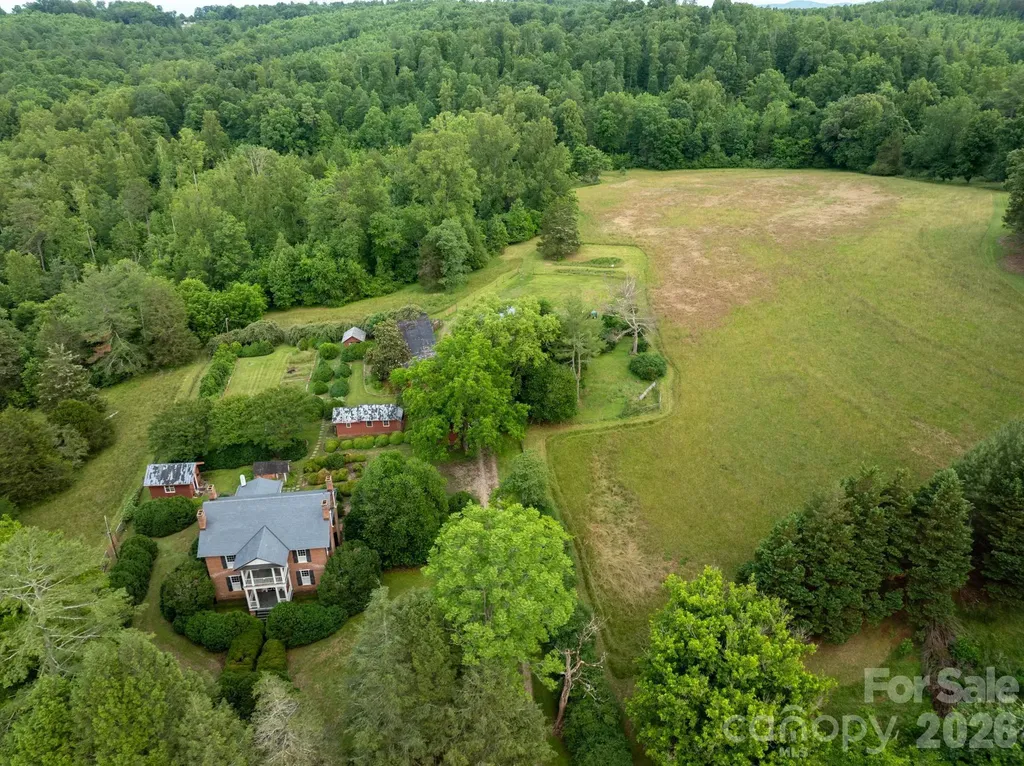
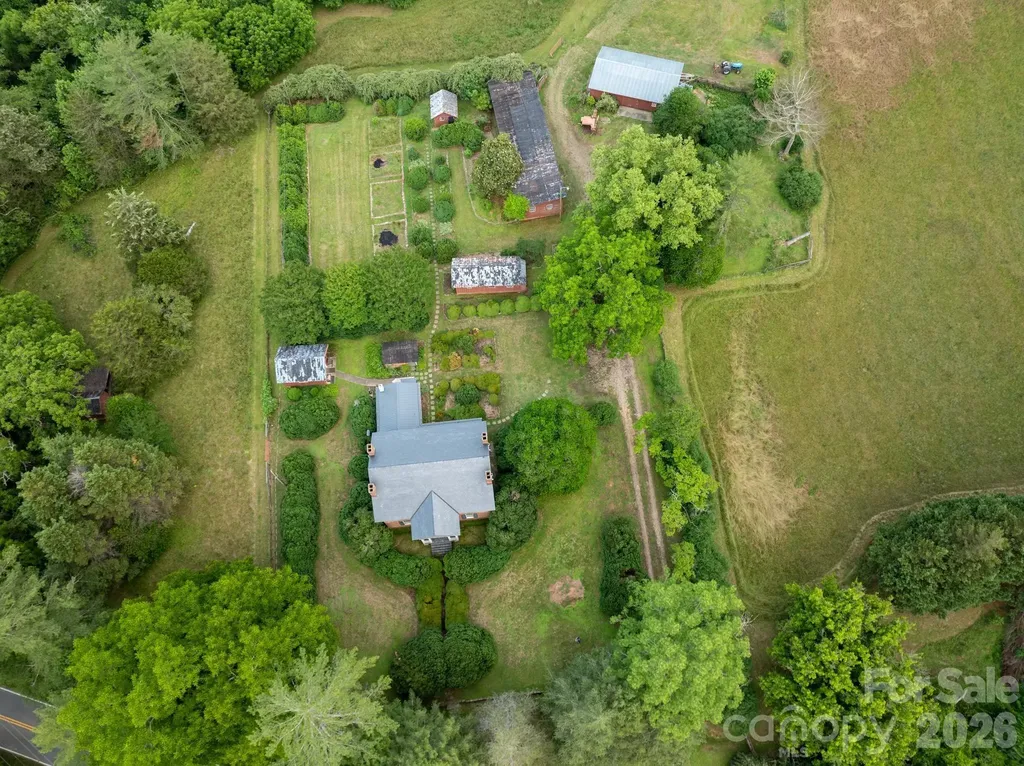
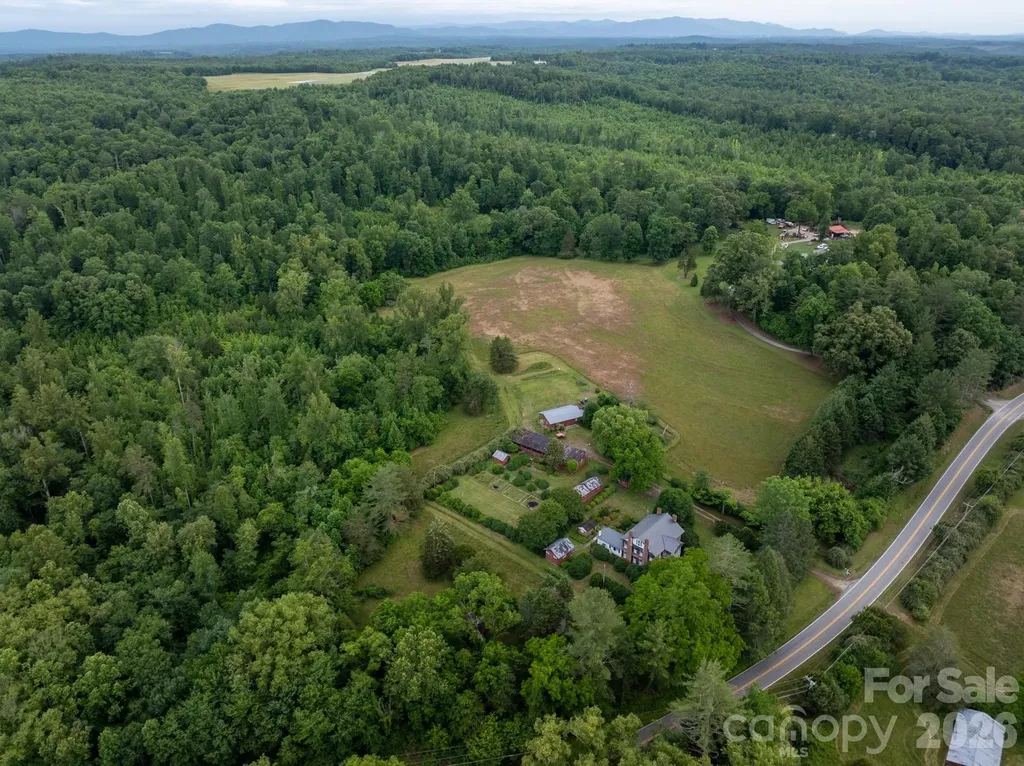
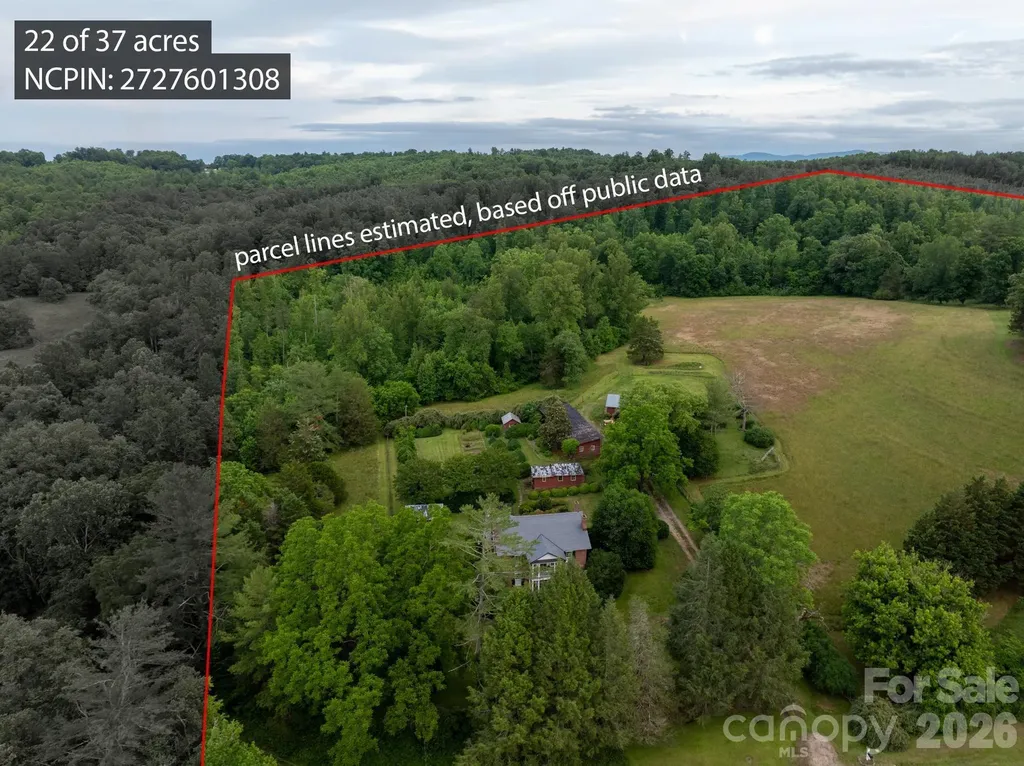
Step back in time and experience the charm of this remarkable historic estate, originally built in 1856 and nestled on 37.44 picturesque acres. Rich in history and surrounded by natural beauty, this one-of-a-kind property offers a rare opportunity to own a piece of the past while enjoying the tranquility of country living.
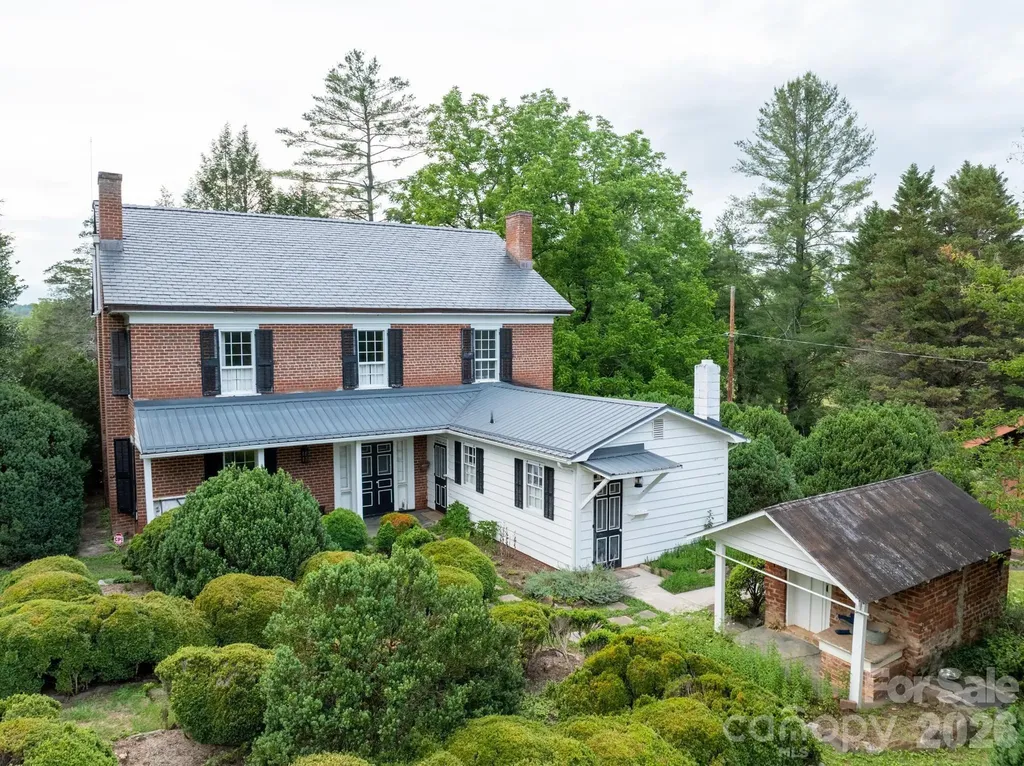
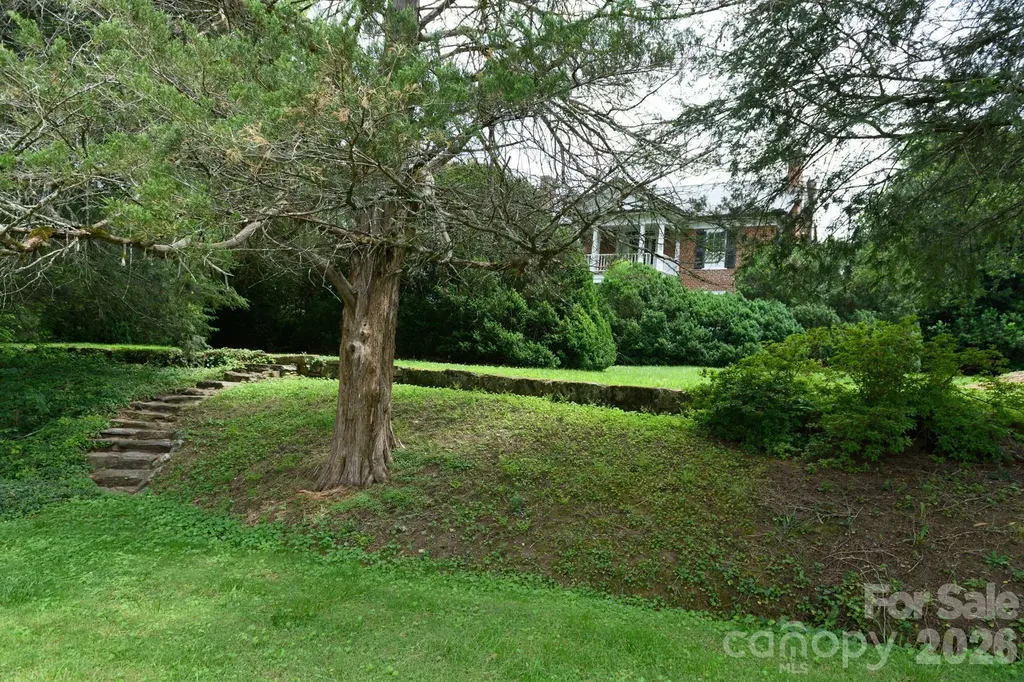
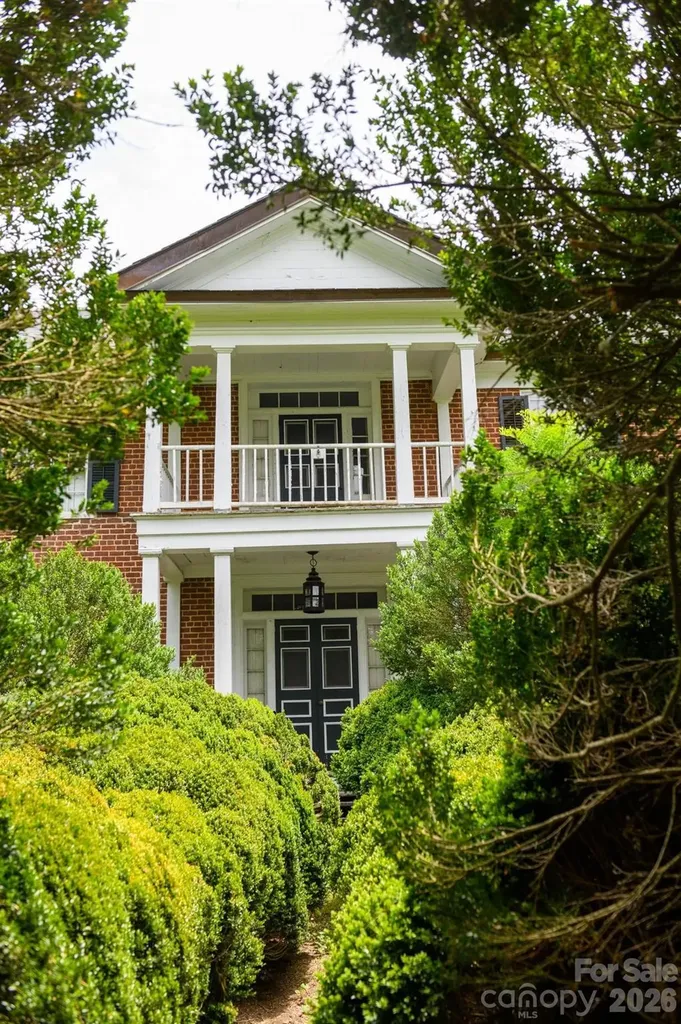
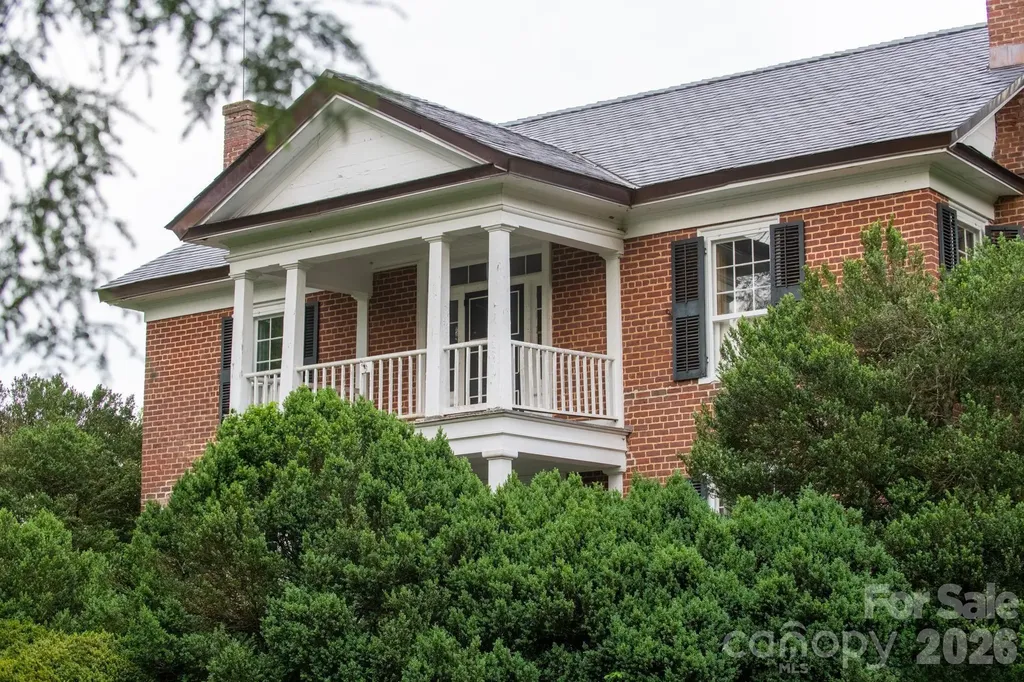
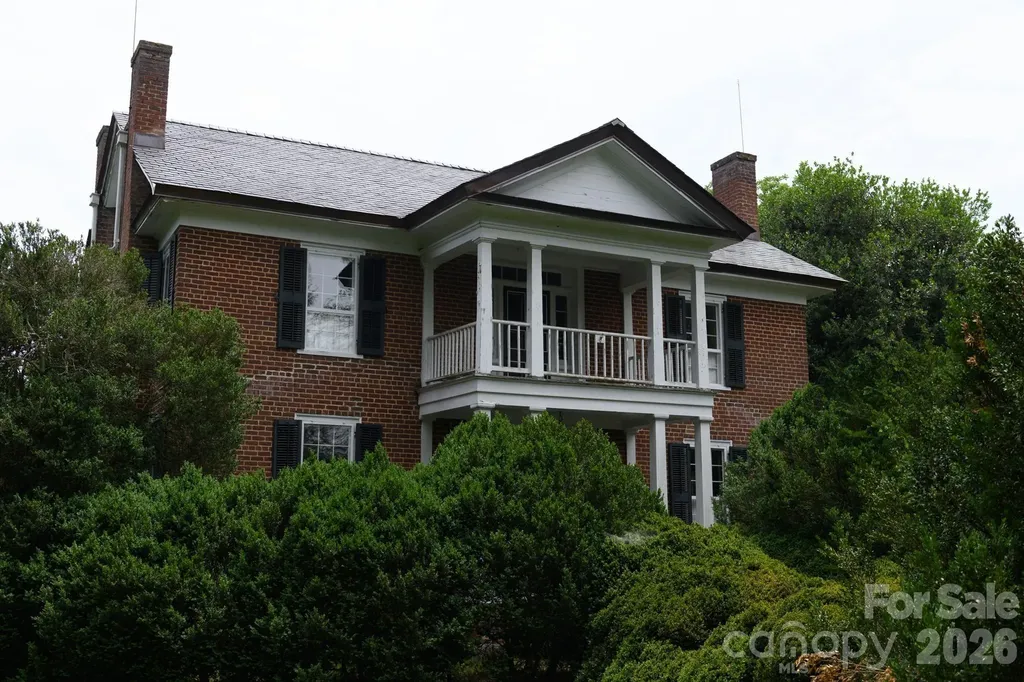
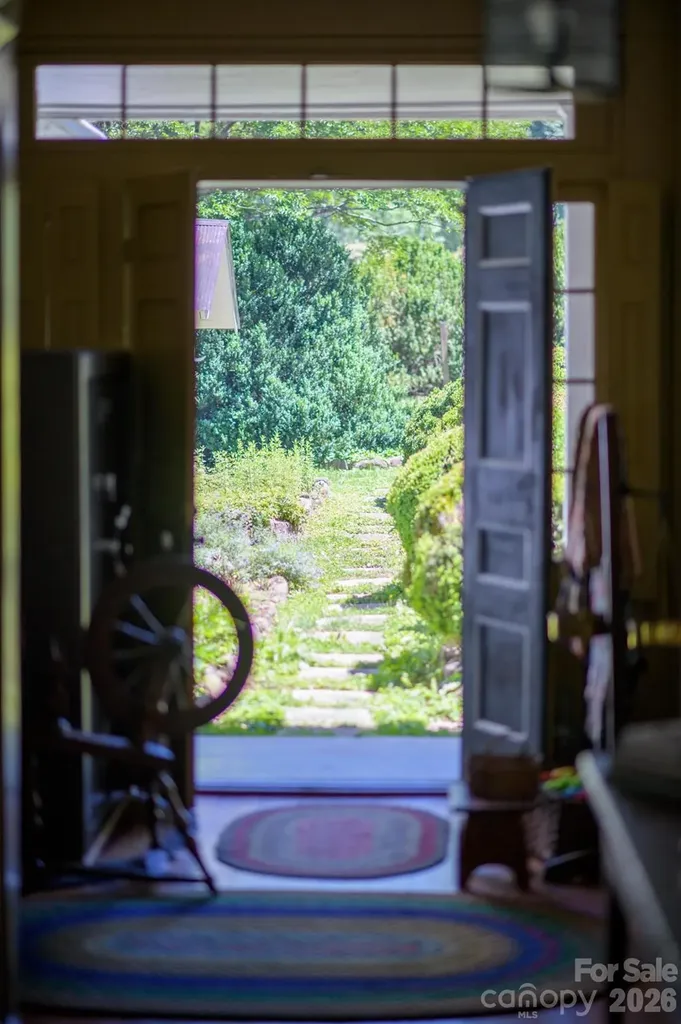
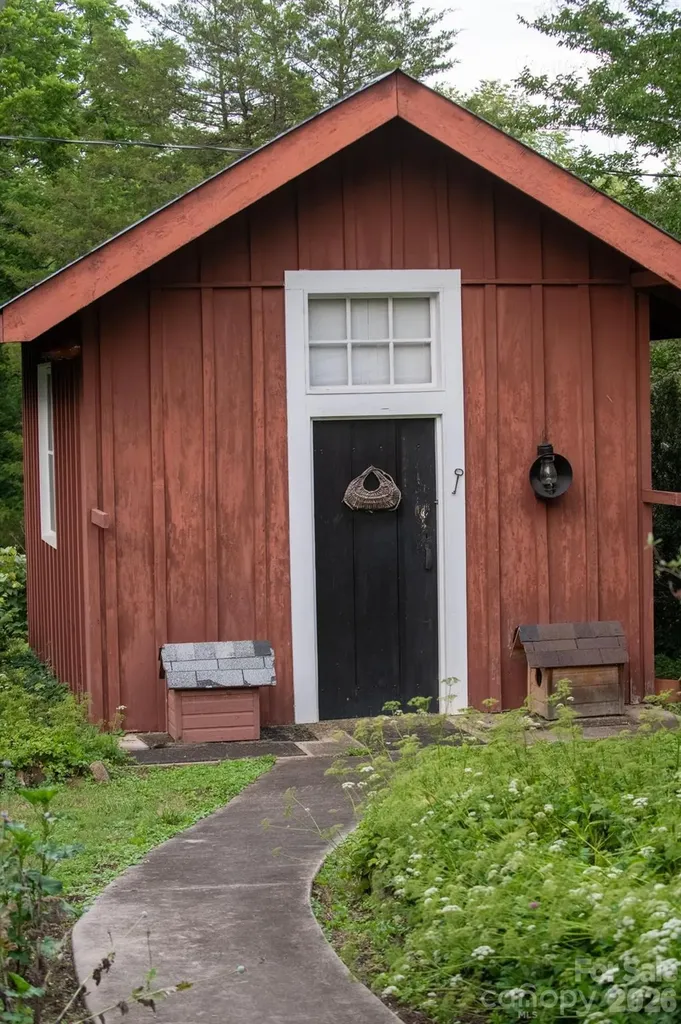
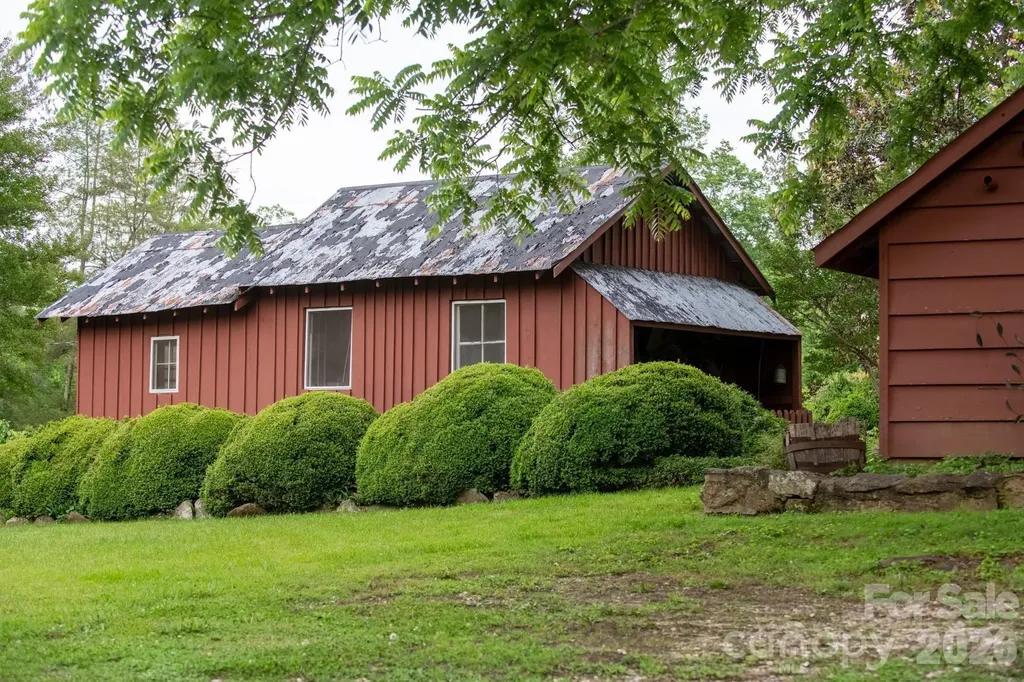
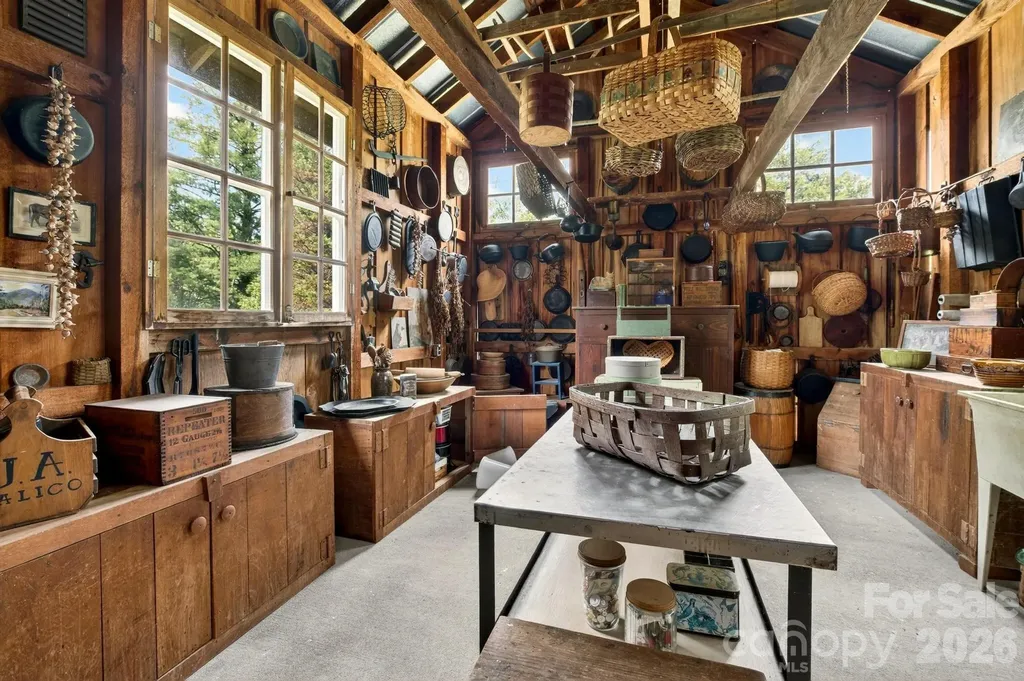
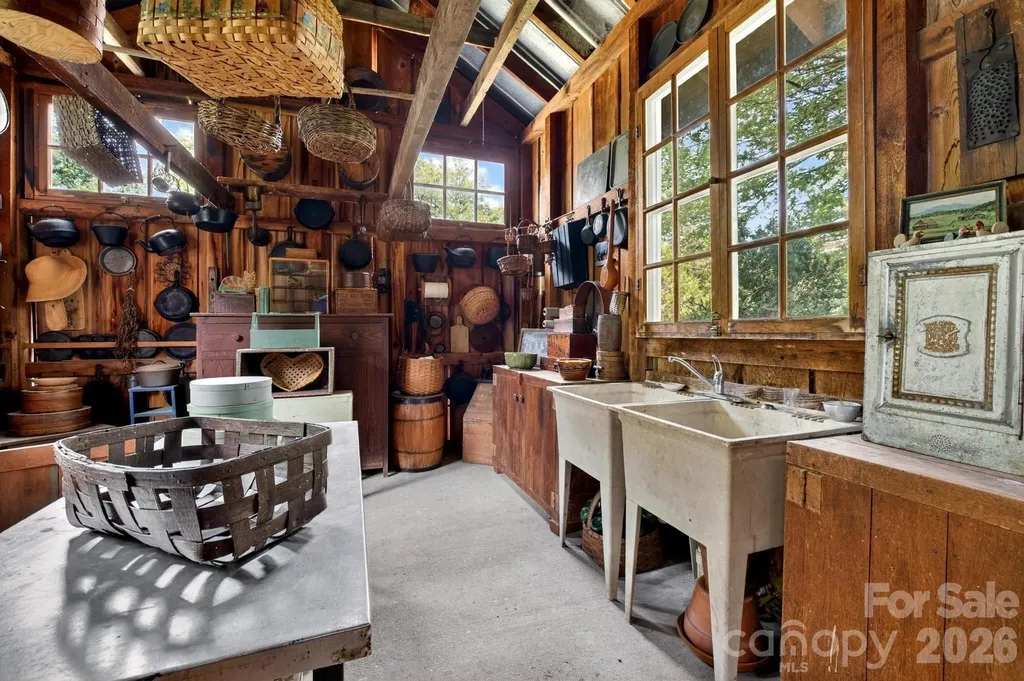
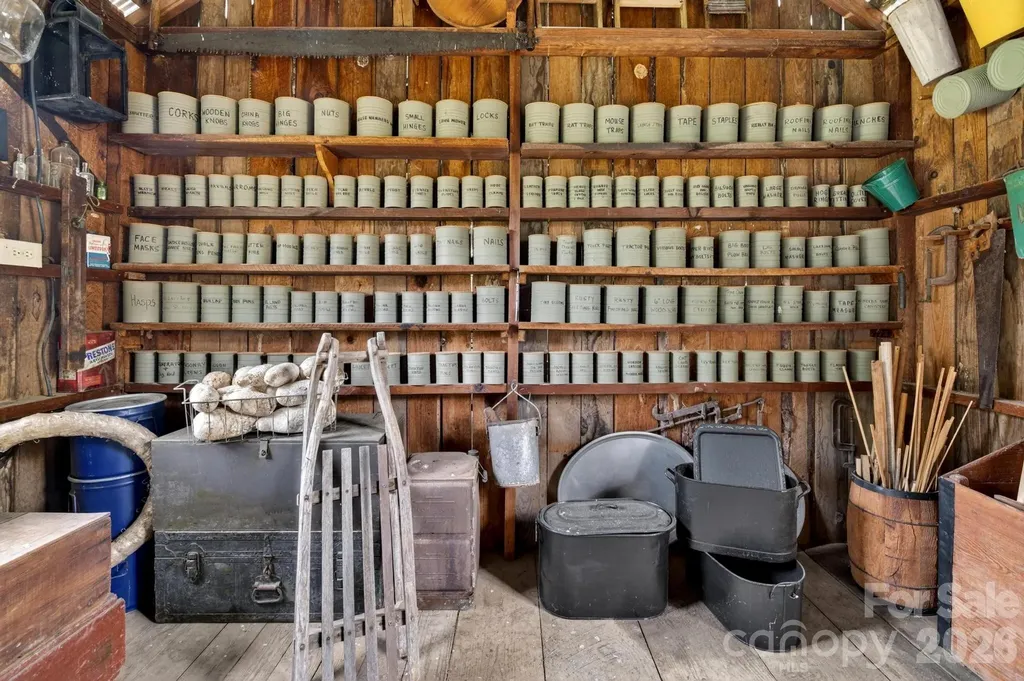
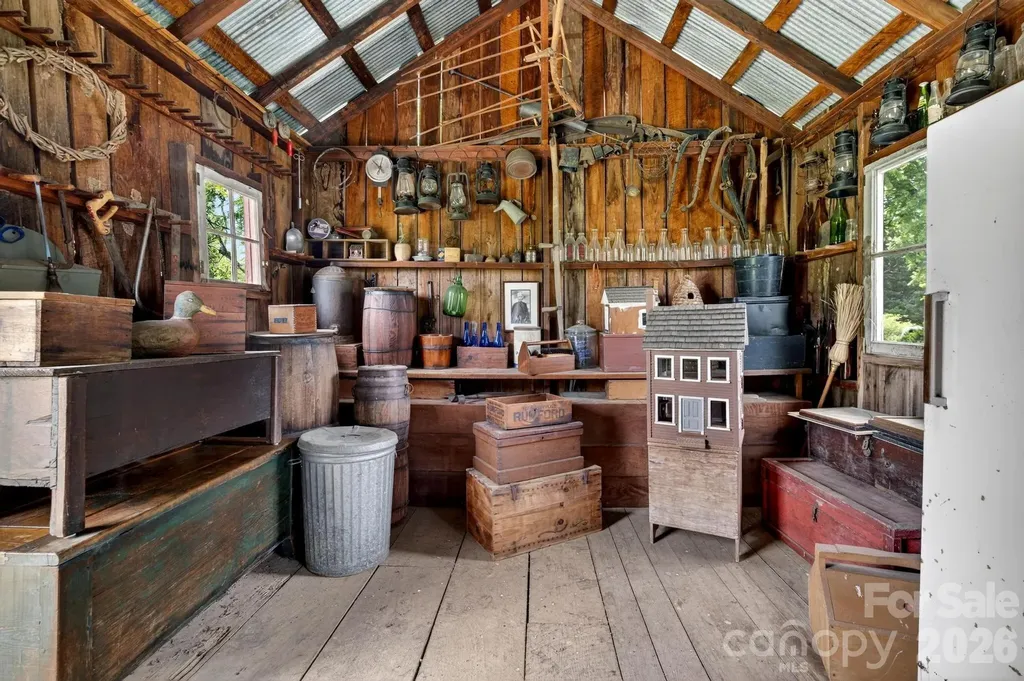
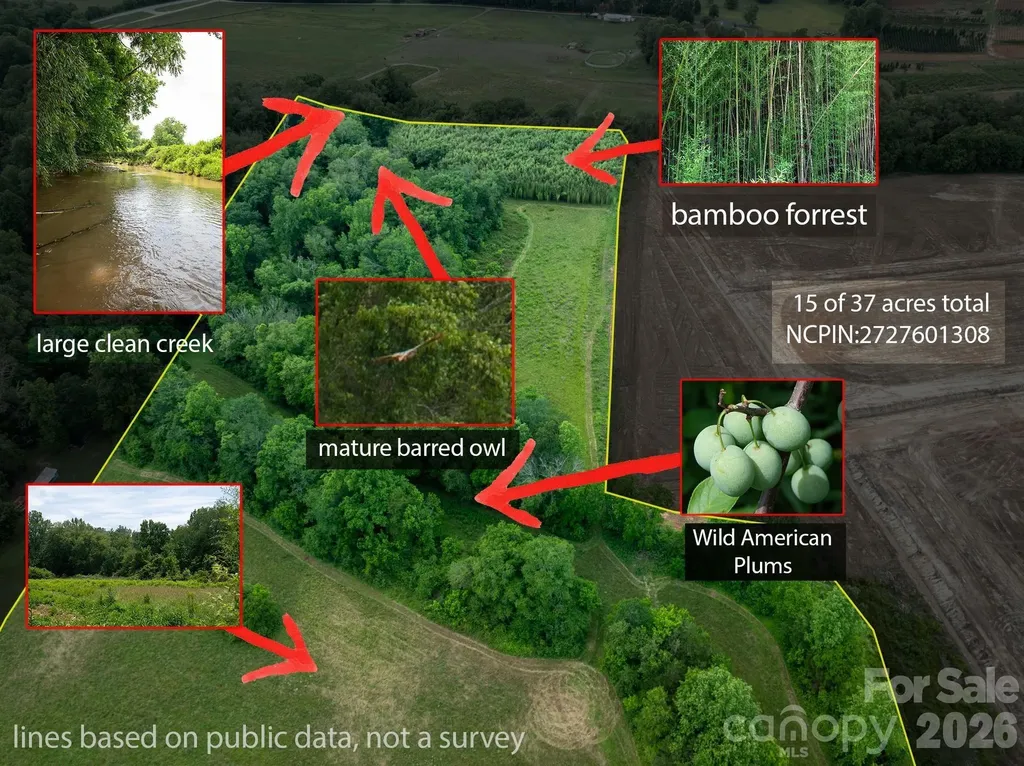
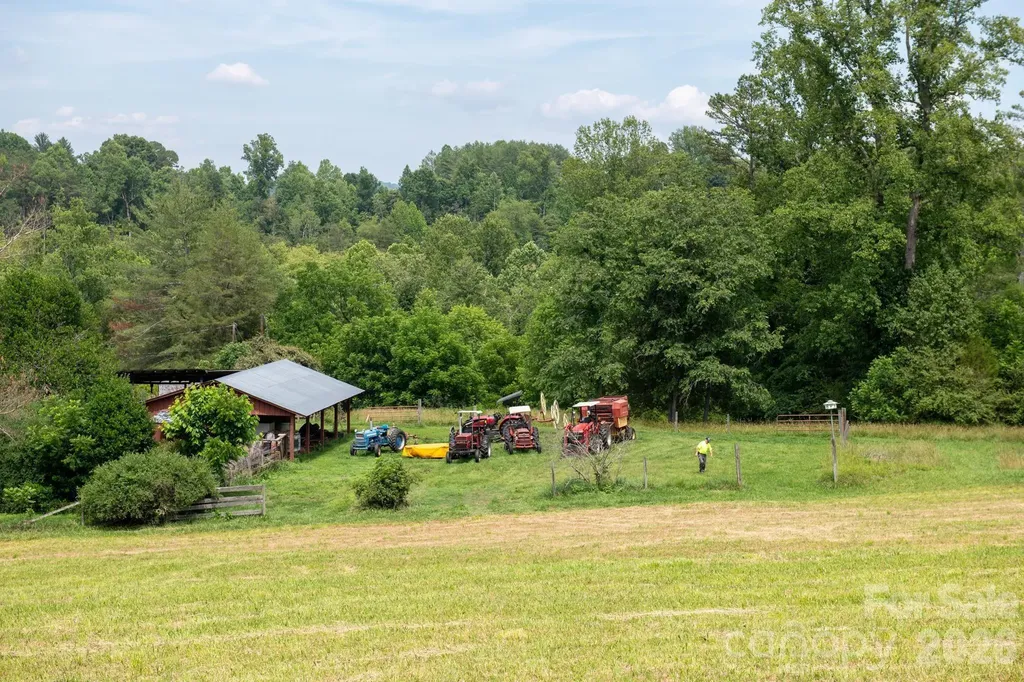
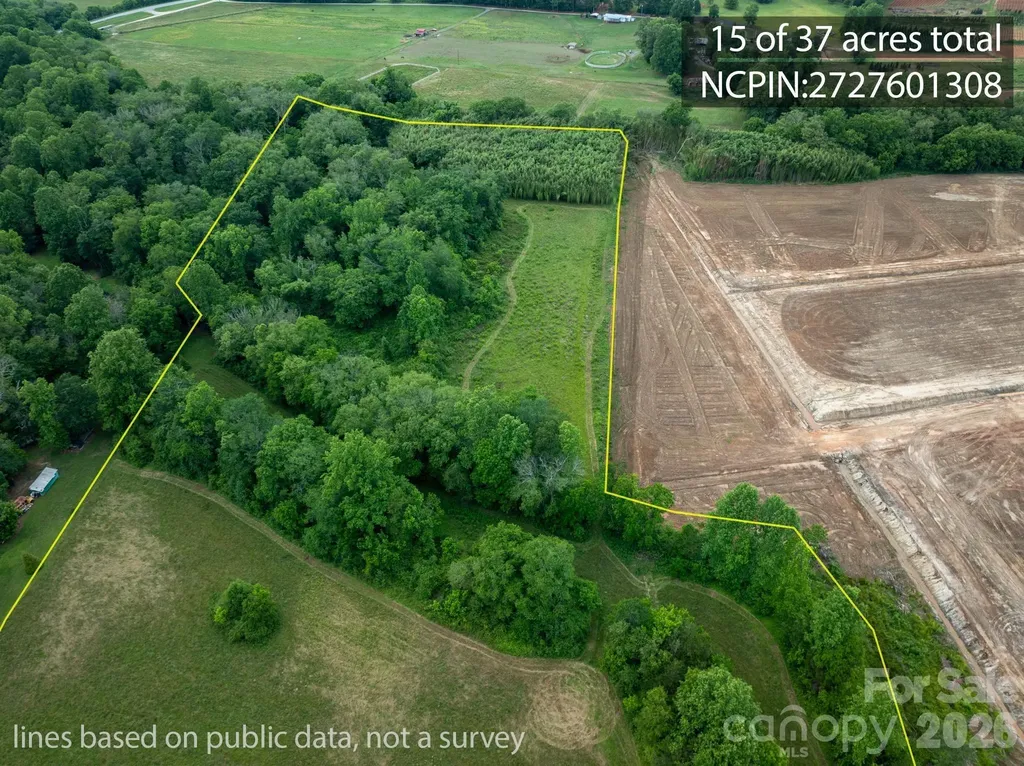
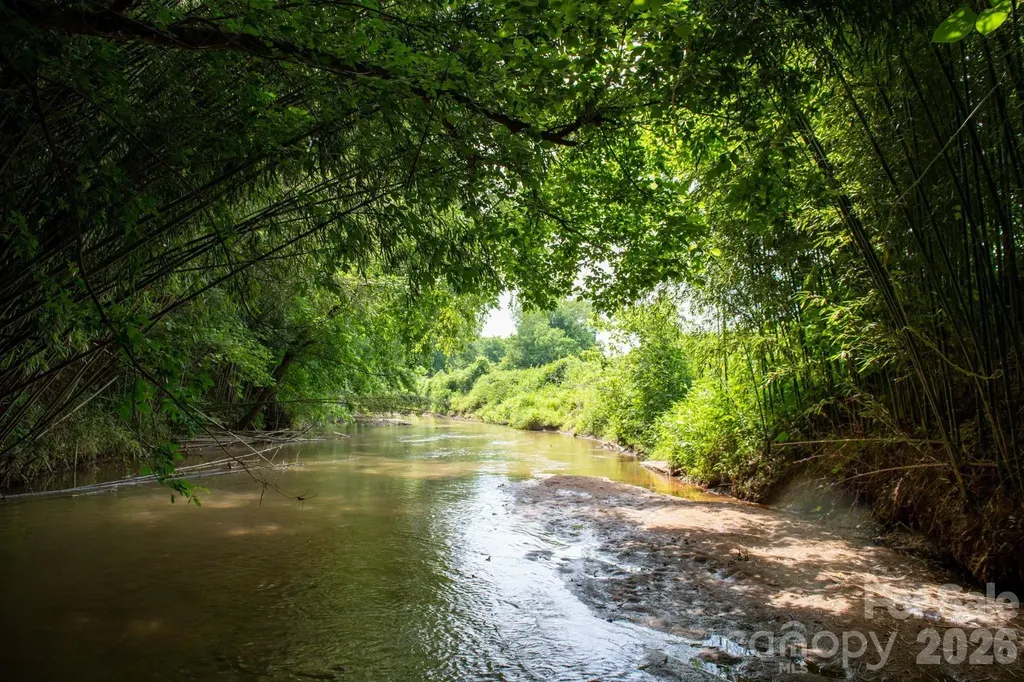
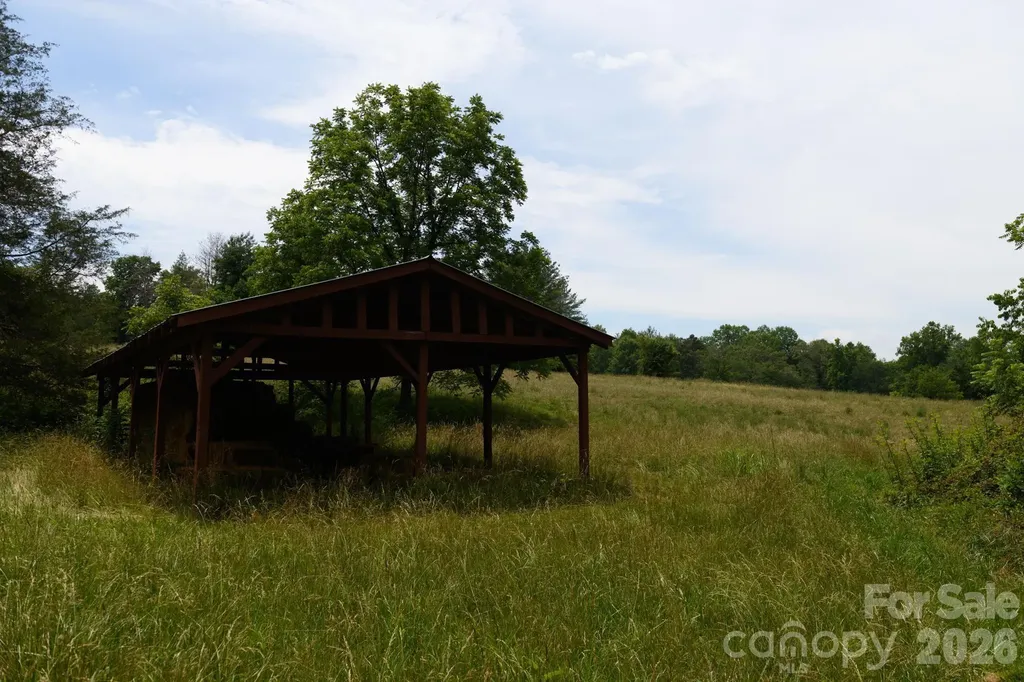
A portion of the land is fenced pasture, ideal for livestock, gardening, or simply enjoying the open space. The peaceful waters of Lower Creek flow along the back of the property, creating a serene backdrop for daily life. Wander through the property's impressive bamboo forest, explore the rock-enclosed herb gardens that once supplied a variety of culinary and medicinal herbs, and admire the stately boxwoods believed to date back to the 1880s. The grounds are complemented by an exceptional collection of historic outbuildings, including a smokehouse, well house, barn, tool house, chicken coop, and a long multi-bay shed, offering endless possibilities for farming, storage, workshops, or restoration projects. Steeped in character and heritage, this extraordinary property captures the essence of a bygone era while providing ample acreage, natural beauty, and space to create your own legacy. History: The John Eli Corpening House, completed in 1856, is one of the most architecturally significant antebellum residences in Caldwell County. Constructed of handmade brick and designed with restrained Greek Revival detailing, the dwelling reflected both the prosperity and social standing of its owner, John Eli Corpening. Historic architectural surveys have identified the house as one of only two double-pile brick residences erected in Caldwell County during the antebellum period, placing it among the county most substantial and historically important nineteenth-
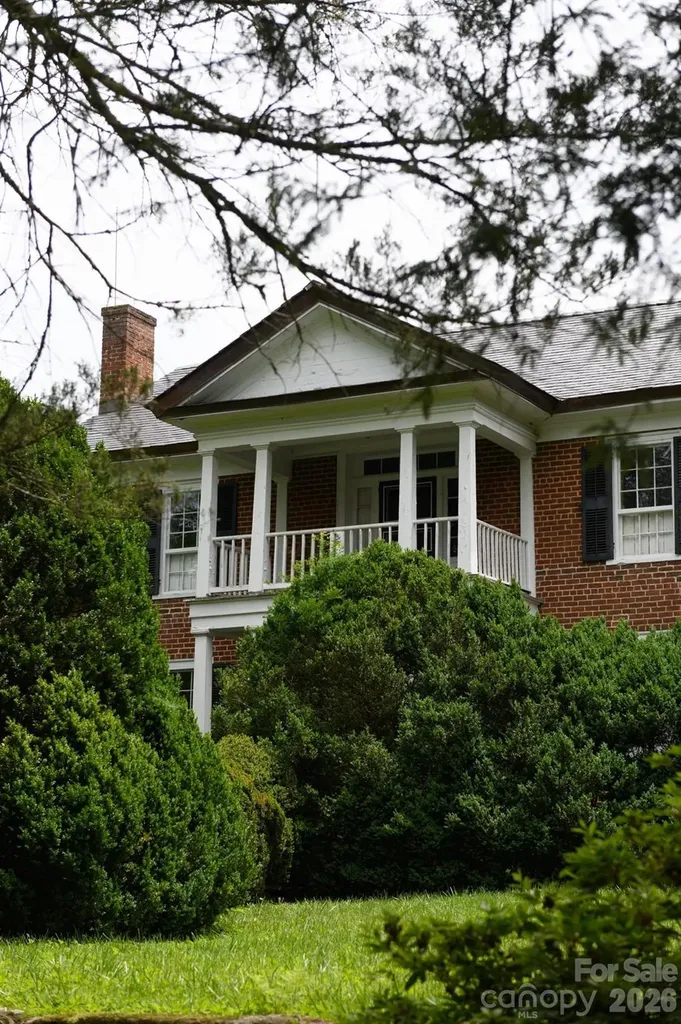
century homes. (The other is Clover Hill located in Patterson). The John Eli Corpening House embodies the Greek Revival style that dominated American architecture during the decades before the Civil War. Its symmetrical brick faade, double-pile floor plan, dominated by a two-story classical portico supported by plain Tuscan-order columns reflected the influence of classical Greek architecture while adapting those ideals to the
agricultural landscape of Caldwell County. The double-tier portico, provided shade, ventilation,
and an expression of prosperity, making the residence one of the county most architecturally
distinguished antebellum homes. The residence served as the center of the Corpening plantation, known locally as Calico, and remains an important example of the agricultural and architectural heritage of
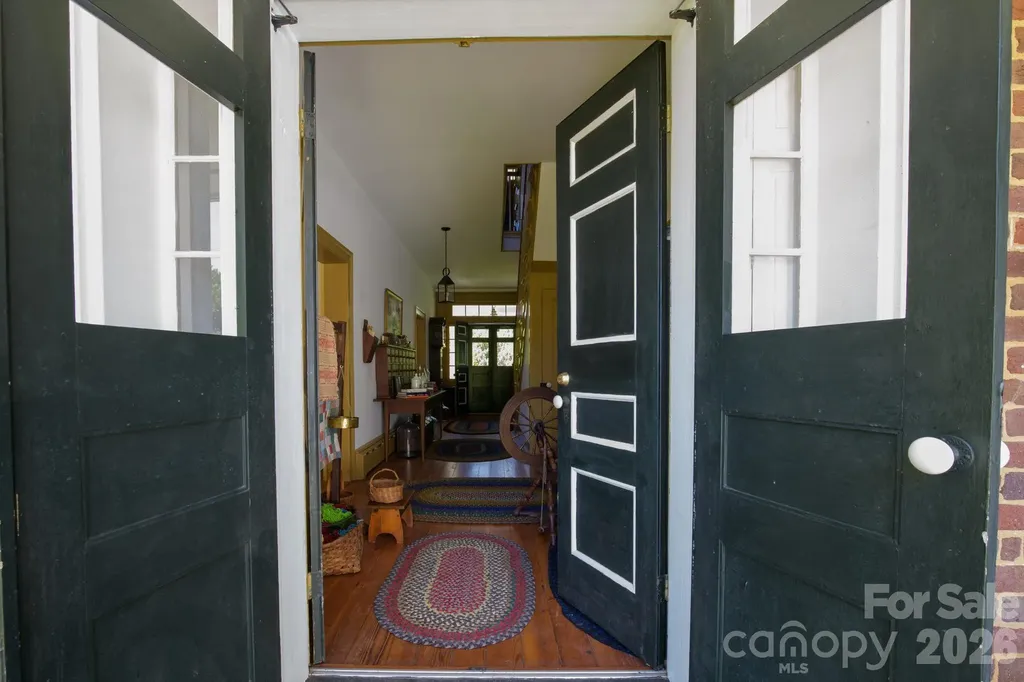
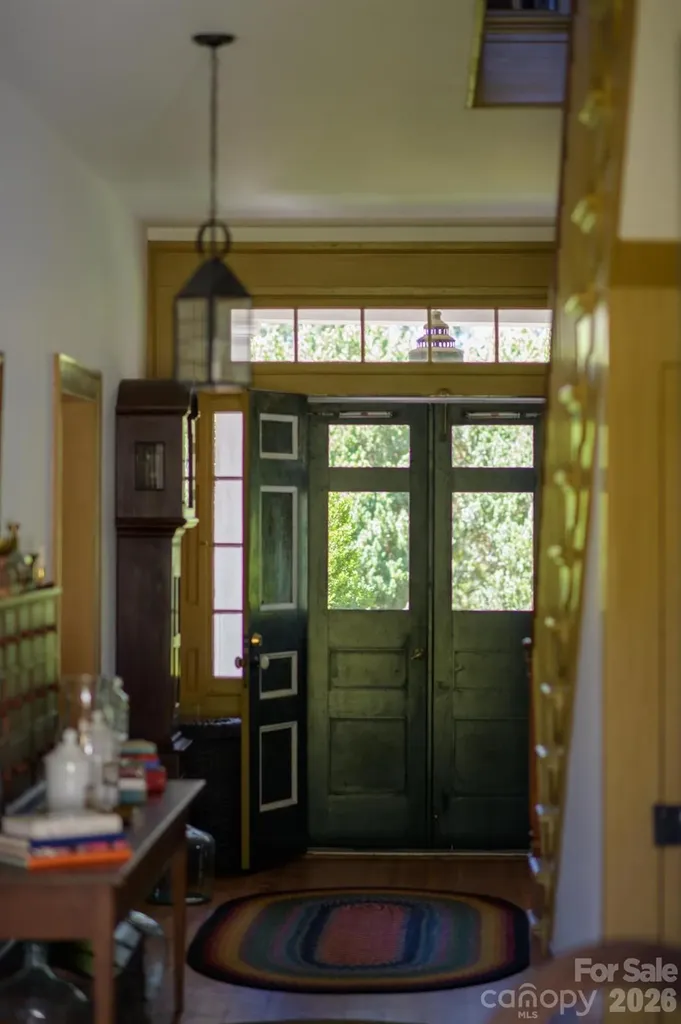
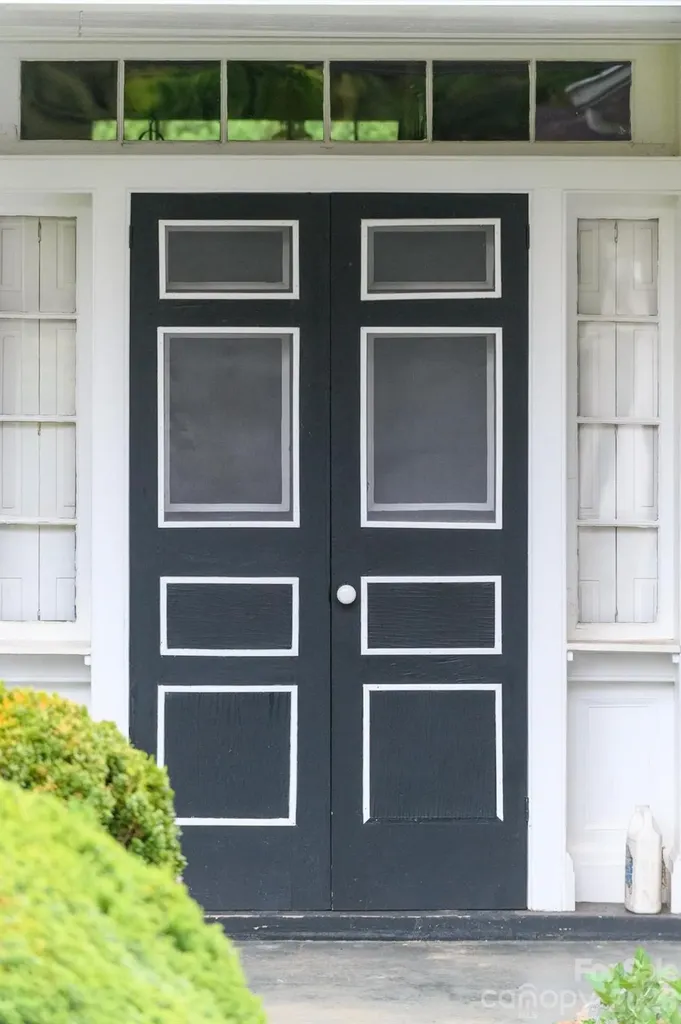
Caldwell County. Other notable features include paired chimneys, each with a single –stepped shoulder attached to the side facades and a typical entrance consisting of a two-leaf door framed by recessed transom
and sidelights all within a symmetrically molded structure. The house is constructed with double-
wythe walls. This construction method involves an exterior brick layer and an interior brick layer
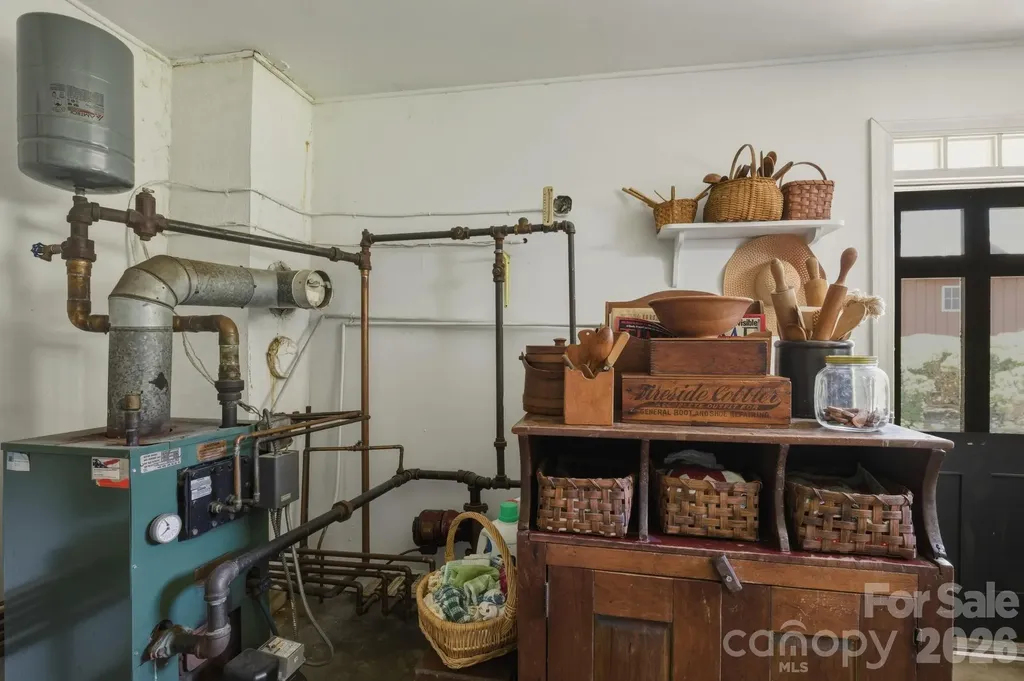
with space in between. Designed for structural support, fire resistance and moisture control. The
heating system which was specifically designed for the house which uses hot water to heat the
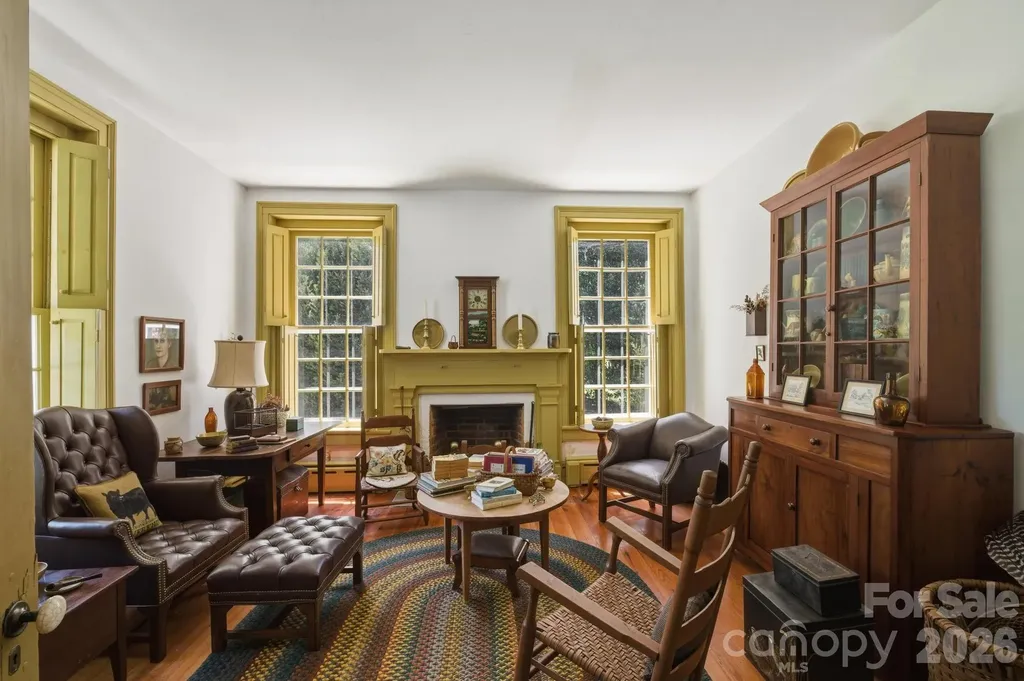
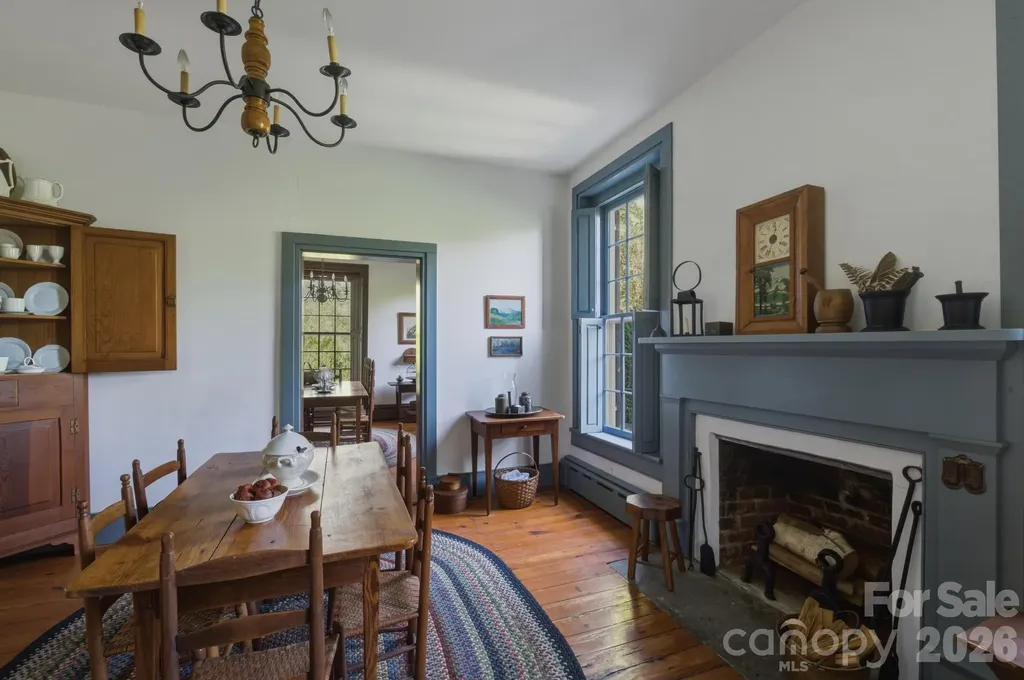
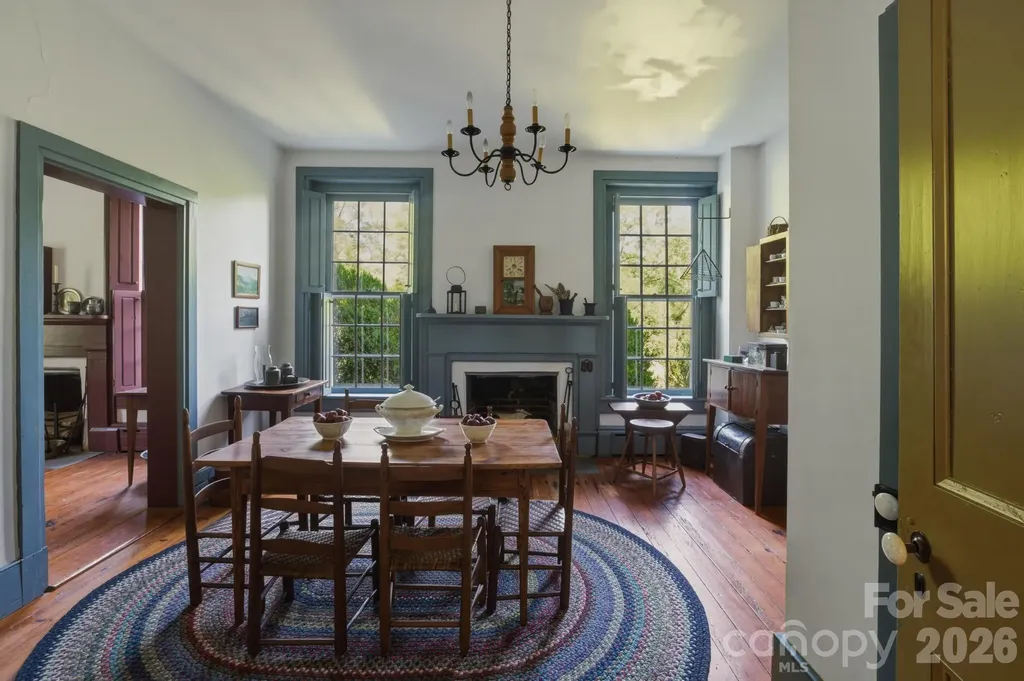
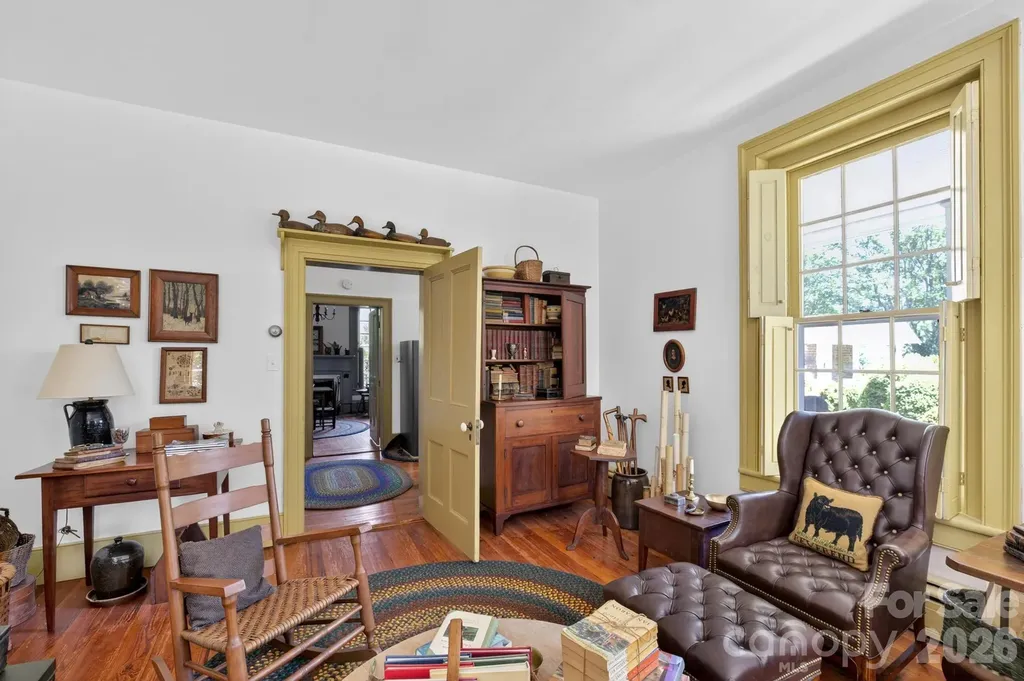
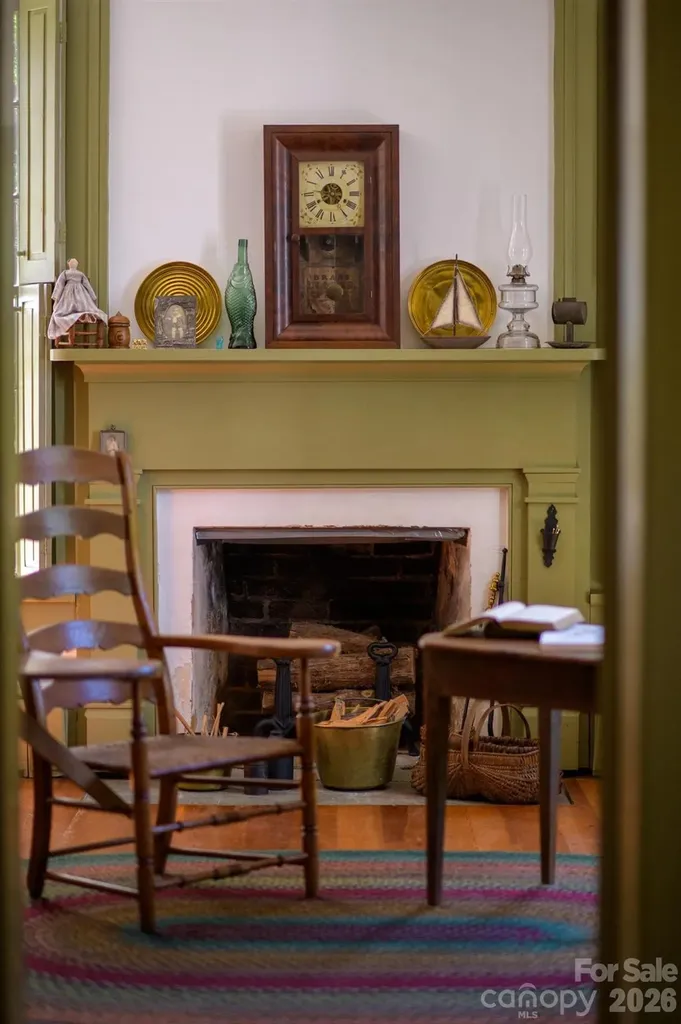
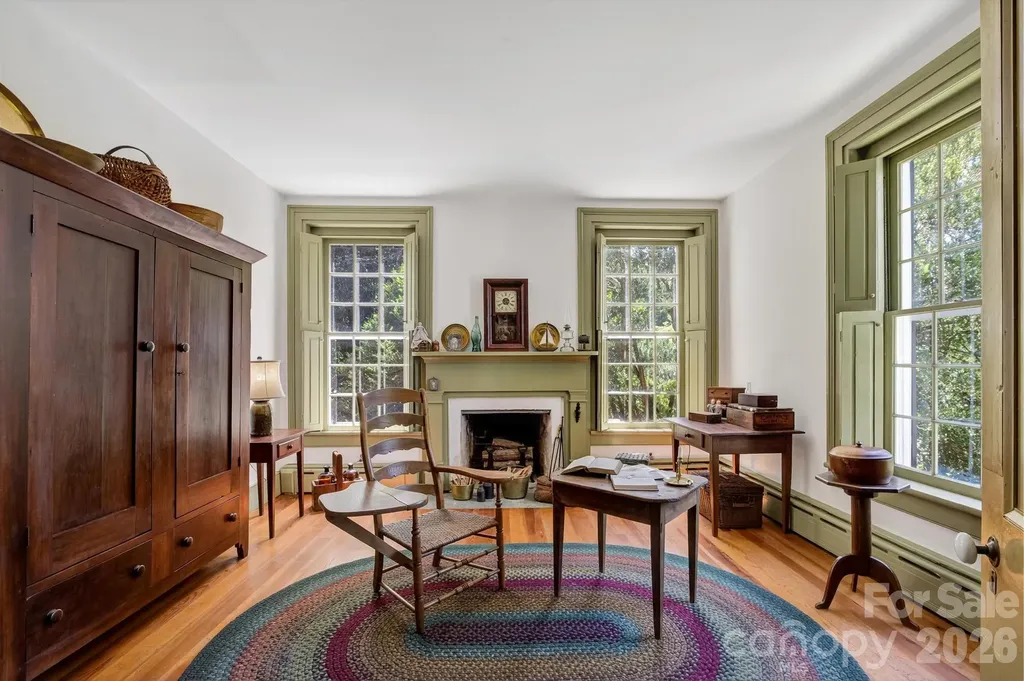
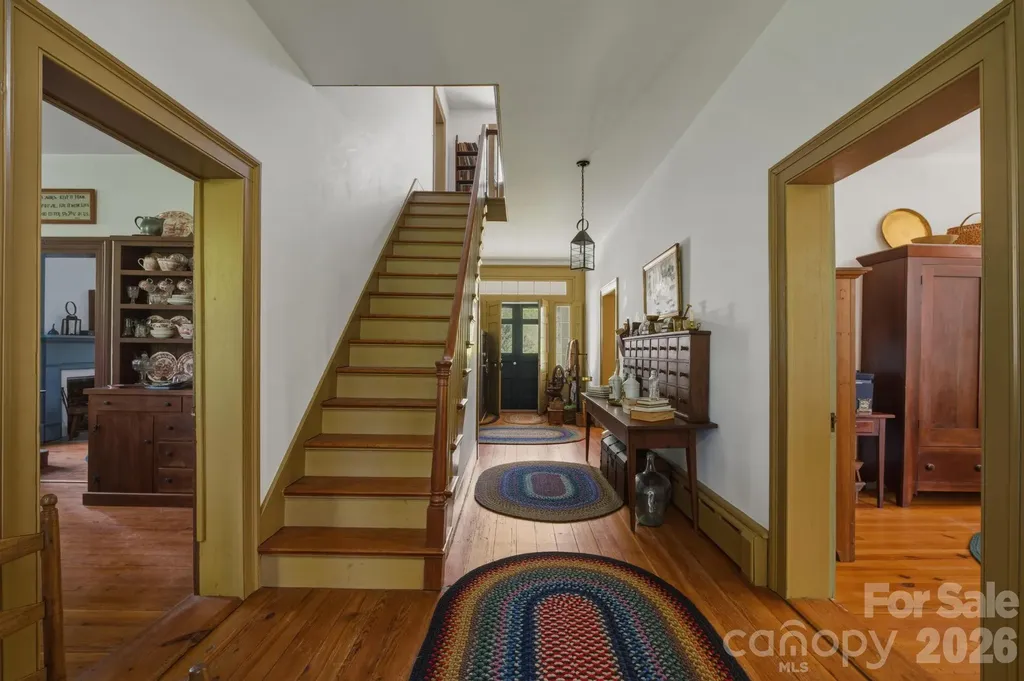
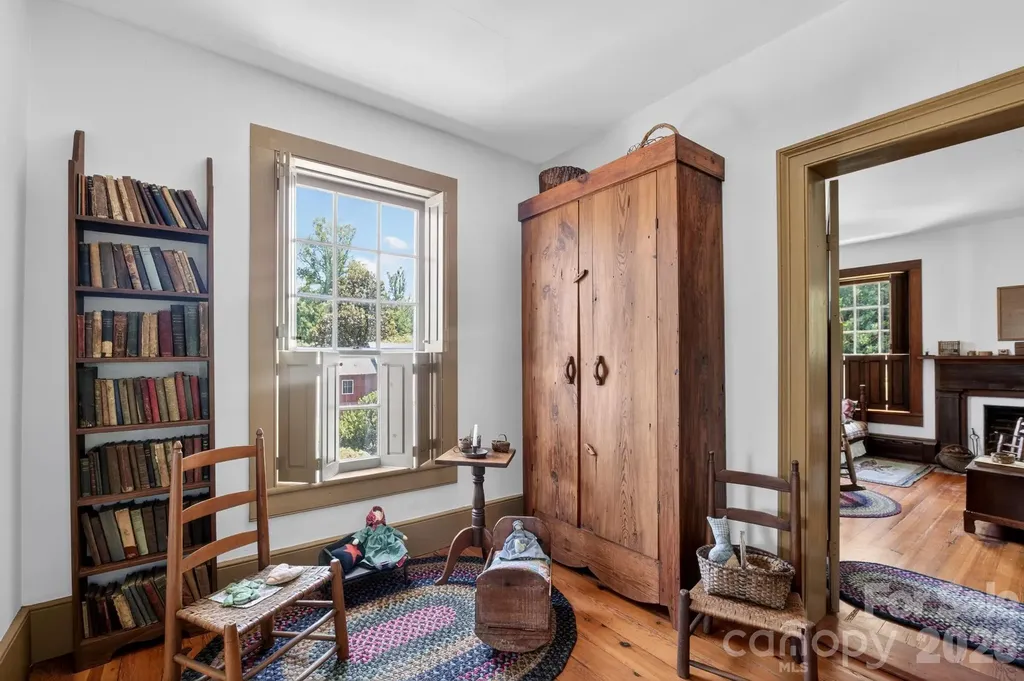
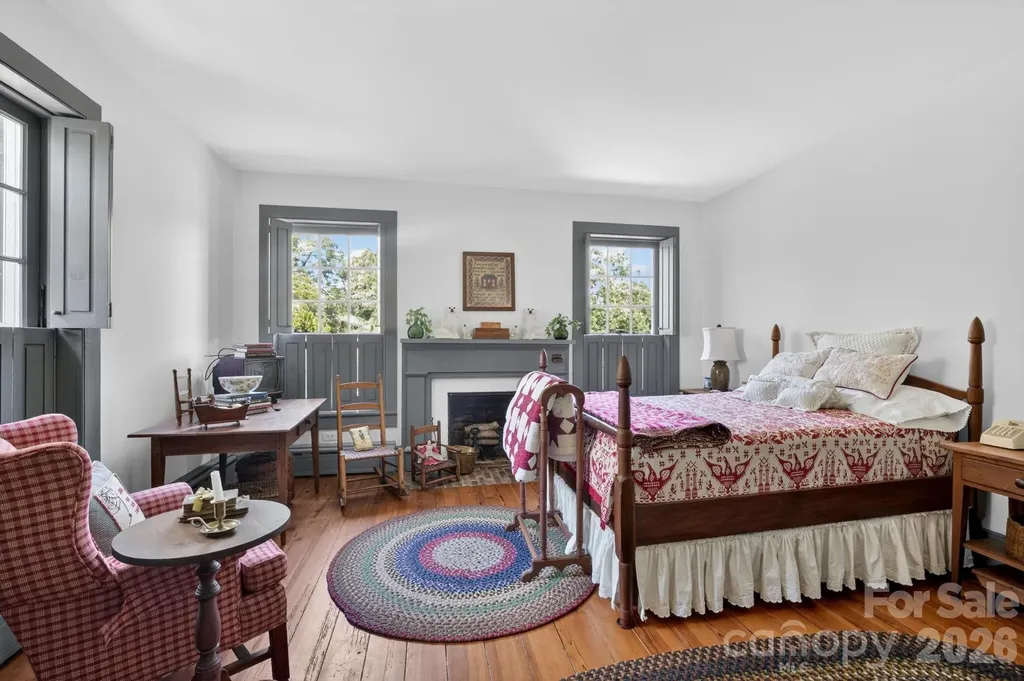
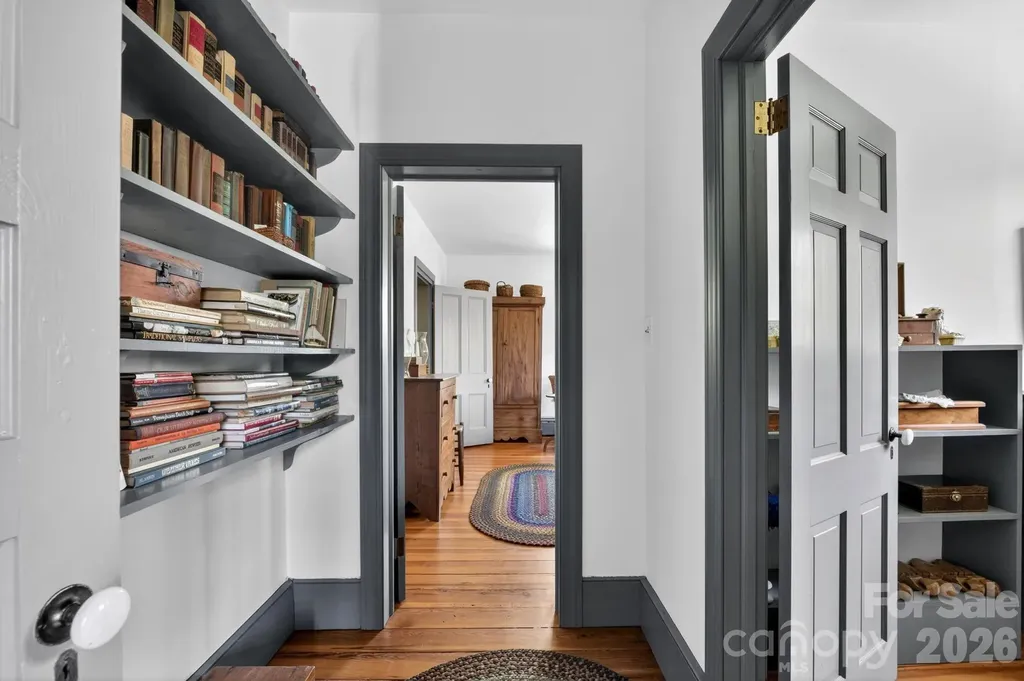
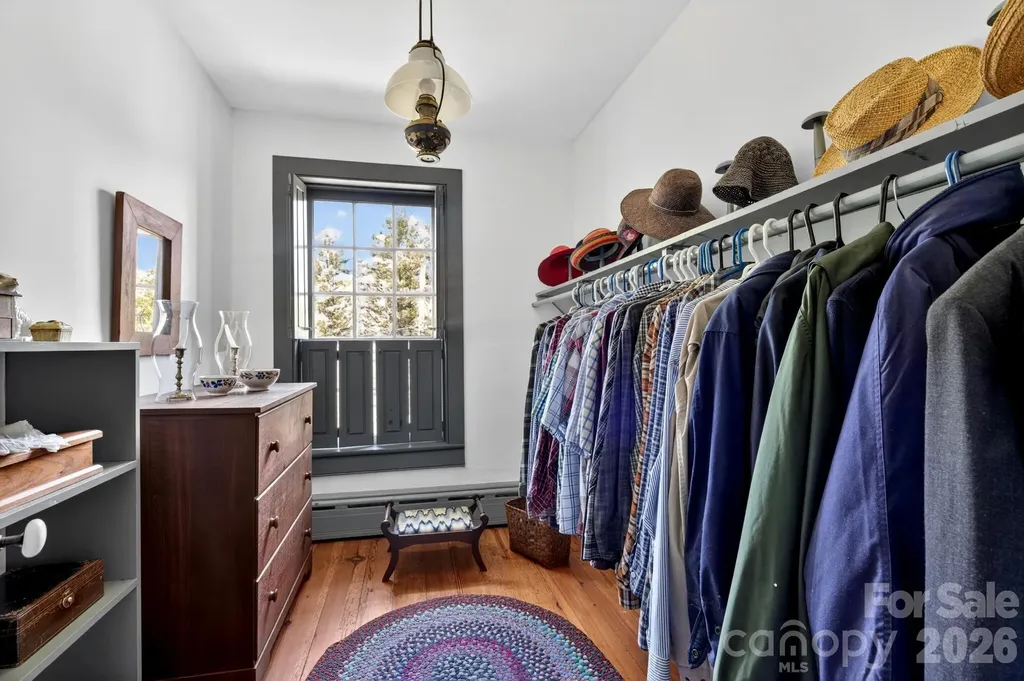
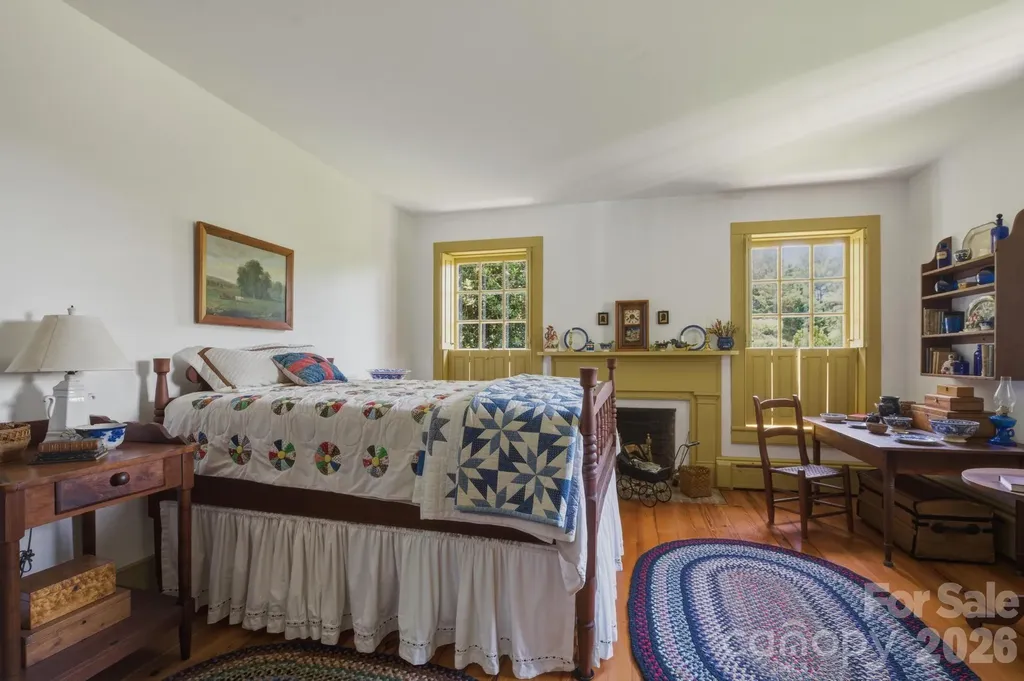
brick allowing it to maintain its warmth. The well executed interior is a classic Greek revival plan and features post and lintel mantels, molded door and window surrounds, wide baseboards and a closed stringer stair curvilinear bracket ornamenting the stringer board and plaster walls. The double-pile floor plan – two rooms
deep from the front to the back and there is a hallway between each two-room segment.
Symmetry was a big part of the Greek Revival Style designed for grandeur and formal living.
The roof is slate and was recently installed and has copper flashing. Whether you're seeking a private homestead, hobby farm, equestrian retreat, or a historic treasure to preserve, this rare offering is truly unlike anything else on the market.

 © 2026 Listings courtesy of Canopy MLS as distributed by MLS GRID. IDX information is provided exclusively for consumers’ personal non-commercial use and may not be used for any purpose other than to identify prospective properties consumers may be interested in purchasing. The IDX data is deemed reliable but is not guaranteed by MLS GRID and may be subject to an end user license agreement prescribed by the Member Participant’s applicable MLS. Based on information submitted to the MLS GRID as of September 18, 2026 4:48 PM UTC . All data is obtained from various sources and may not have been verified by broker or MLS GRID. Supplied Open House Information is subject to change without notice. All information should be independently reviewed and verified for accuracy. Properties may or may not be listed by the office/agent presenting the information. Some IDX listings have been excluded from this website.